Industry · Auto Repair
Turn urgent searches and planned service into booked repairs
Auto repair customers don't arrive the same way twice. Someone whose car won't start is deciding, in seconds, whether to call you or the next shop in the results. Someone booking a routine oil change has time to compare a couple of options. Someone facing a large, unfamiliar repair is quietly deciding whether to trust a stranger with their vehicle and their money. A shop's website has to work for all three without slowing down the customer who's in a hurry.
The trust problem underneath all three is the same: a customer is handing over something they depend on, usually without being able to judge the diagnosis themselves. That gap gets closed with real shop photos, honest pricing behavior, and — more than almost anything else — recent Google reviews, not with a nicer logo.
Novenworks starts by finding which part of that gap is actually costing calls. Some shops have loyal customers and strong word of mouth that never made it into a Google review. Others have a great in-person experience the website doesn't reflect. Others make it hard to find a phone number on a phone. The right fix depends on which one is actually true.
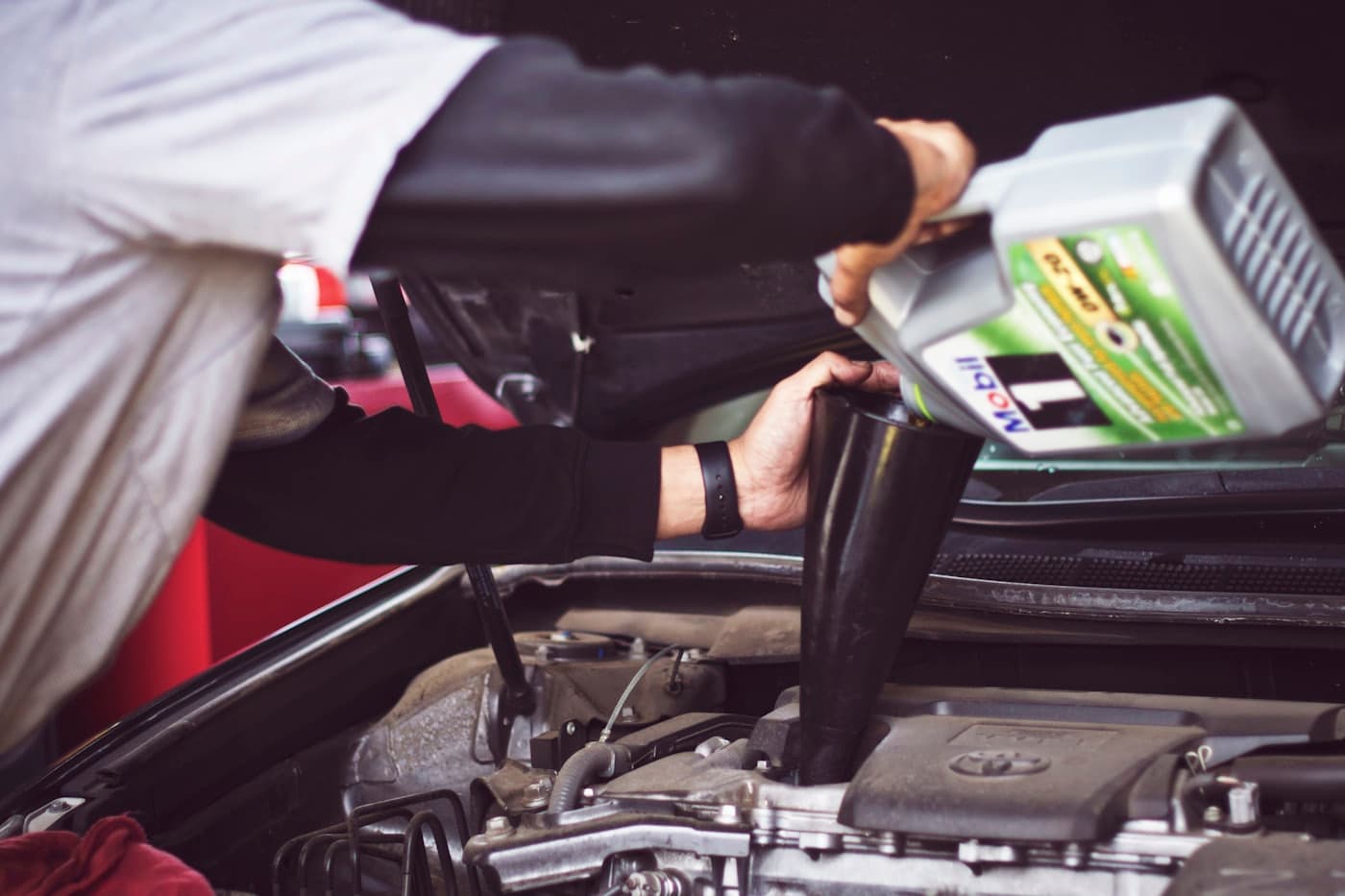
How Customers Choose
Trust before handing over the keys
A customer is leaving something they depend on with someone they usually just met, and often can't judge the diagnosis themselves — that gap has to be closed before they'll book, not after.
Speed matters most when it's urgent
A driver dealing with a warning light or a car that won't start decides in seconds whether to call. A hard-to-find phone number loses this customer immediately, no matter how good the shop is.
Specialties and credentials, for the bigger decisions
For a first-time customer or an expensive repair, makes/models serviced, certifications, and years in business are exactly what a research-stage visitor is checking before they call.
Clarity on what a repair will actually cost
Buyers want either a fixed number or a clear explanation of why a diagnosis comes first. Leaving pricing off the site entirely reads as evasive, not professional.
Where Auto Repair Sites Fail
- A phone number that's hard to find on mobile, losing the easiest conversion this industry has: the urgent caller.
- Stock photography standing in for the real shop, bays, and team, making a good shop look interchangeable with any other.
- No distinction between a diagnostic fee and a full repair estimate, which creates confusion and avoidable bad reviews.
- Makes, models, or specialties never mentioned, so a specialty search goes straight to a competitor.
- Google Business Profile hours or categories that are out of date, costing visibility at the exact moment someone searches "open now."
- Reviews sitting flat for months while satisfied customers are simply never asked.
Conversion Priorities, In Order
- 01A phone number visible and tappable from every page, especially on mobile — this is the single highest-leverage element for this industry.
- 02A simple appointment or estimate-request path for planned-maintenance and research-stage visitors who'd rather not call first.
- 03Real shop, bay, and team photography in place of stock imagery.
- 04Clear service pages for specialties and high-frequency repairs, with pricing shown wherever it's genuinely fixed.
- 05A steady, systemized flow of new Google reviews, since this category depends on recent, visible proof more than most.
Local Visibility Opportunities
- Keep the Google Business Profile's categories, hours, and service area accurate and current — it's often the first thing a driver sees, especially searching "near me" or "open now."
- Structure service pages around how customers actually search — "brake repair near [city]," not internal shop terminology.
- Keep business name, address, and phone number identical everywhere they appear online.
- Maintain a steady stream of real shop, bay, and completed-work photos, since this category is unusually visual and local-search-driven.
How Reviews Work in This Trade
Reviews carry outsized weight for an auto repair shop, because a customer is trusting a stranger with a repair they usually can't verify themselves. A steady flow of specific, recent reviews — mentioning honesty, clear explanations, or fair pricing — does more to close that trust gap than any amount of website copy. A simple, consistent request system, asked right after a completed repair rather than left to chance, is usually the fastest visible improvement available to a shop that's already doing good work.
The Recommended System
What a well-built Auto Repair growth system includes.
- A website structured around real shop credibility and specialty service pages, not a generic auto-shop template.
- A phone-first contact design for urgent searches, paired with a simple estimate-request path for planned service.
- A systemized review-generation flow, since trust in this category depends heavily on recent, visible proof.
- Local SEO and Google Business Profile management kept accurate and consistent with the site.
- Analytics that track calls and estimate-request submissions by service page, not just overall traffic.
Related Services
Website Design
Turn more of the people who find you into calls and quote requests.
Local SEO
Be the business nearby customers actually find.
Reputation and Review Systems
Your reputation online finally matches the quality of your work.
Lead Follow-Up Systems
Stop losing jobs because nobody replied fast enough.
Adjacent Work
Common Questions
Do you work with independent auto repair shops, or mainly larger businesses?
Independent shops are exactly who we build for. The whole approach — phone-first contact design, real shop credibility, honest pricing behavior — is built around how a single-location, owner-run shop actually earns trust and takes calls.
Can you set up call tracking so we know which searches are actually turning into calls?
Yes, that's part of Analytics and Revenue Visibility. We configure call and form tracking tied to your actual service pages, so you can see which searches and pages are producing real calls, not just traffic.
We already use a scheduling or estimate tool — can you build around that instead of replacing it?
Generally yes. We build the website and contact paths around whatever scheduling or estimate tool you already use rather than asking you to switch, unless you'd rather change it.
Can you help fix our Google Business Profile if the hours or categories are wrong?
Yes, that's part of Local SEO and Google Business Profile management — getting your categories, hours, and service area accurate, since it's often the first thing a driver sees before they ever reach your website.
Can you help us get more Google reviews without it feeling pushy to customers?
Yes, that's part of Reputation & Reviews. We set up a simple, consistent system for asking satisfied customers right after a completed repair, which is usually the fastest visible improvement available to a shop that's already doing solid work.