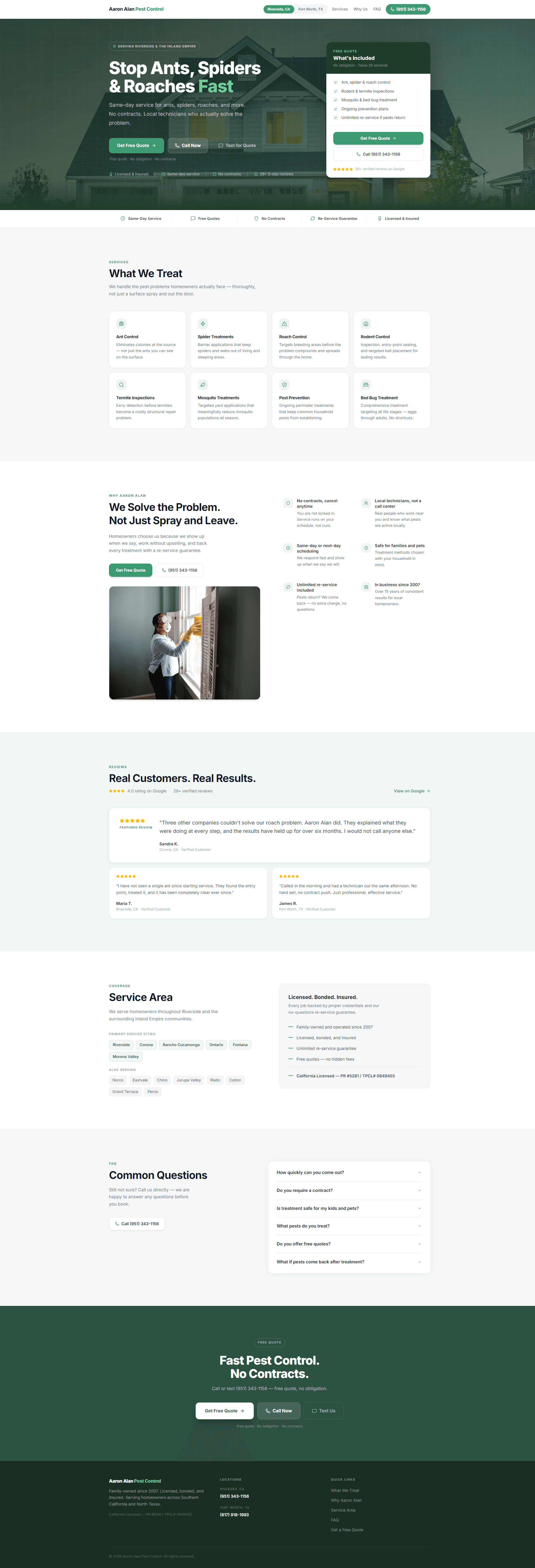
Pest Control
Demo ConceptAaron Alan Pest Control
Local pest control website built to communicate urgency, establish trust, and make it easy for homeowners to request same-day service.
View projectIndustry · HVAC
HVAC demand arrives in two waves. When a system fails during a heat wave or a cold snap, the homeowner is searching from their phone and will call the first company that looks legitimate and reachable. The rest of the year, the same company competes for slower, higher-ticket decisions: replacements, heat pumps, indoor air quality, maintenance plans. A good HVAC website has to serve both moments without confusing either one.
The economics reward getting this right. A single repair call can grow into a maintenance plan, and a maintenance plan often becomes the replacement job years later. That ladder is why treating the site as a brochure leaves money on the table. Each rung needs its own page, its own proof, and its own next step.
Novenworks starts by diagnosing which rung is weakest. Some HVAC companies capture emergency traffic but never convert it into recurring plans. Others sell replacements well but lose the urgent mobile searcher to a slow page and a buried phone number. The fix depends on which problem you actually have.
How Customers Choose
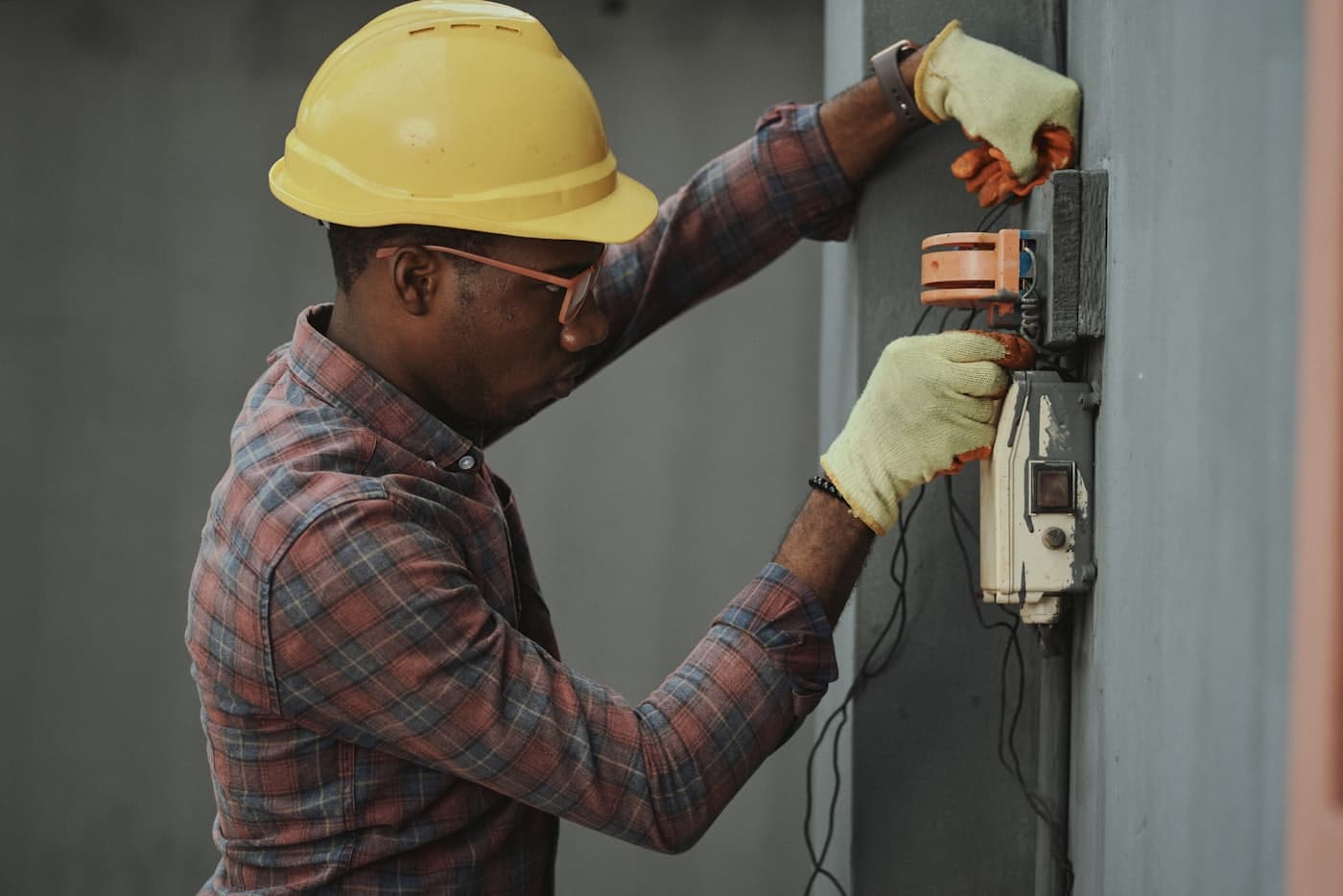
An emergency searcher decides in seconds. If the phone number is not obvious on mobile, or same-day availability is unclear, they call the next result.
Licensing, real technician and truck photos, and a clear service area separate an established company from a lead-reselling site.
System replacement is a four- or five-figure decision. Buyers look for financing options, brand experience, and reviews that mention clean installs before they request an estimate.
Homeowners who want tune-ups and priority scheduling choose companies that explain what the plan includes and what it costs to belong.
Where HVAC Sites Fail
Conversion Priorities, In Order
Local Visibility Opportunities
How Reviews Work in This Trade
HVAC reviews do double duty, so match them to intent: reviews mentioning same-day rescue belong on repair pages, and reviews about fair pricing and tidy installs belong on replacement pages. Ask for the review right after the job while relief is fresh, and make maintenance-plan members a steady source of new ones, since they interact with the company twice a year by design.
The Recommended System
Related Services
Local SEO
Be the business nearby customers actually find.
Google Business Profile Optimization
Look credible and complete the moment someone finds you on Google.
Lead Follow-Up Systems
Stop losing jobs because nobody replied fast enough.
Conversion Optimization
More inquiries from the traffic you already get.
Adjacent Work
Pest Control
Demo ConceptLocal pest control website built to communicate urgency, establish trust, and make it easy for homeowners to request same-day service.
View project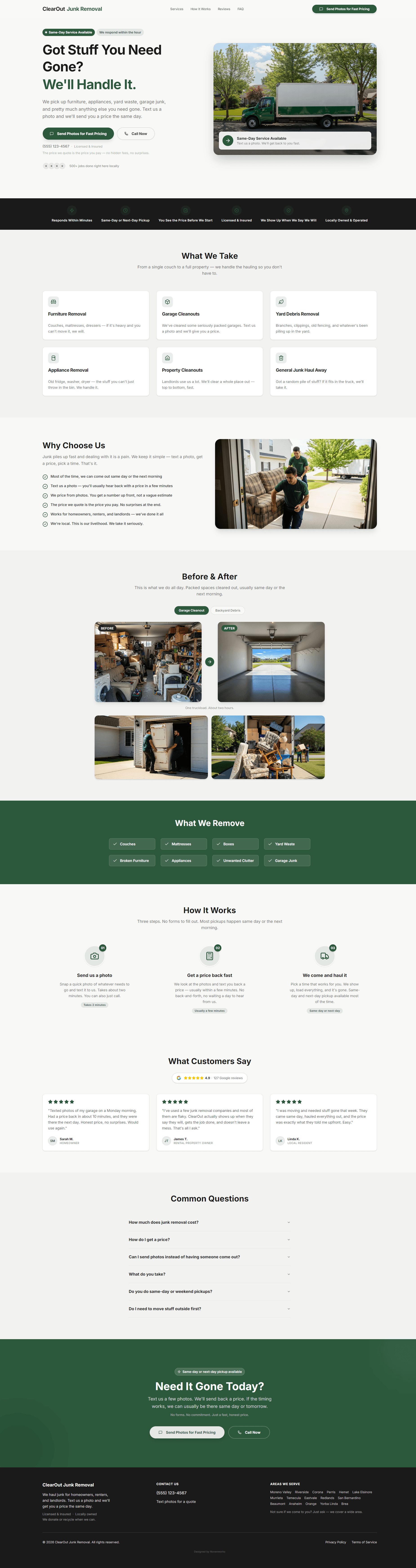
Junk Removal
Demo ConceptLocal junk removal website built around fast photo-based pricing and same-day service clarity.
View project