Pest Control
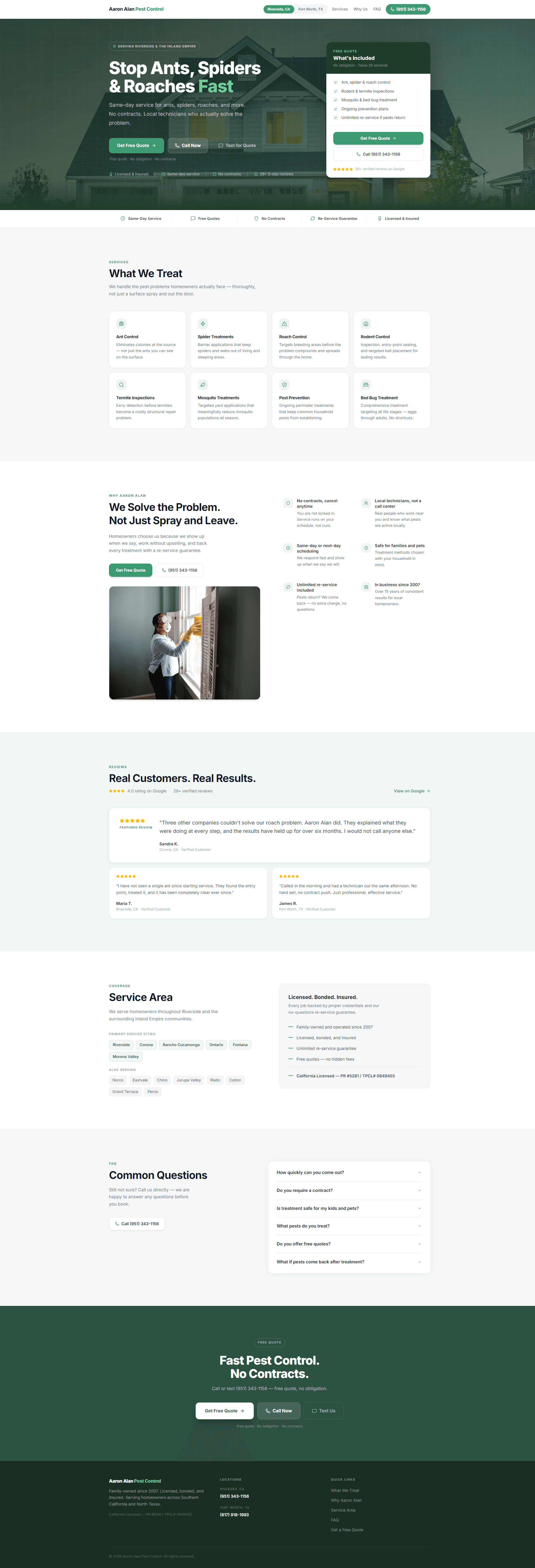
Demo ConceptAaron Alan Pest Control
Local pest control website built to communicate urgency, establish trust, and make it easy for homeowners to request same-day service.
View projectIndustry · Plumbing
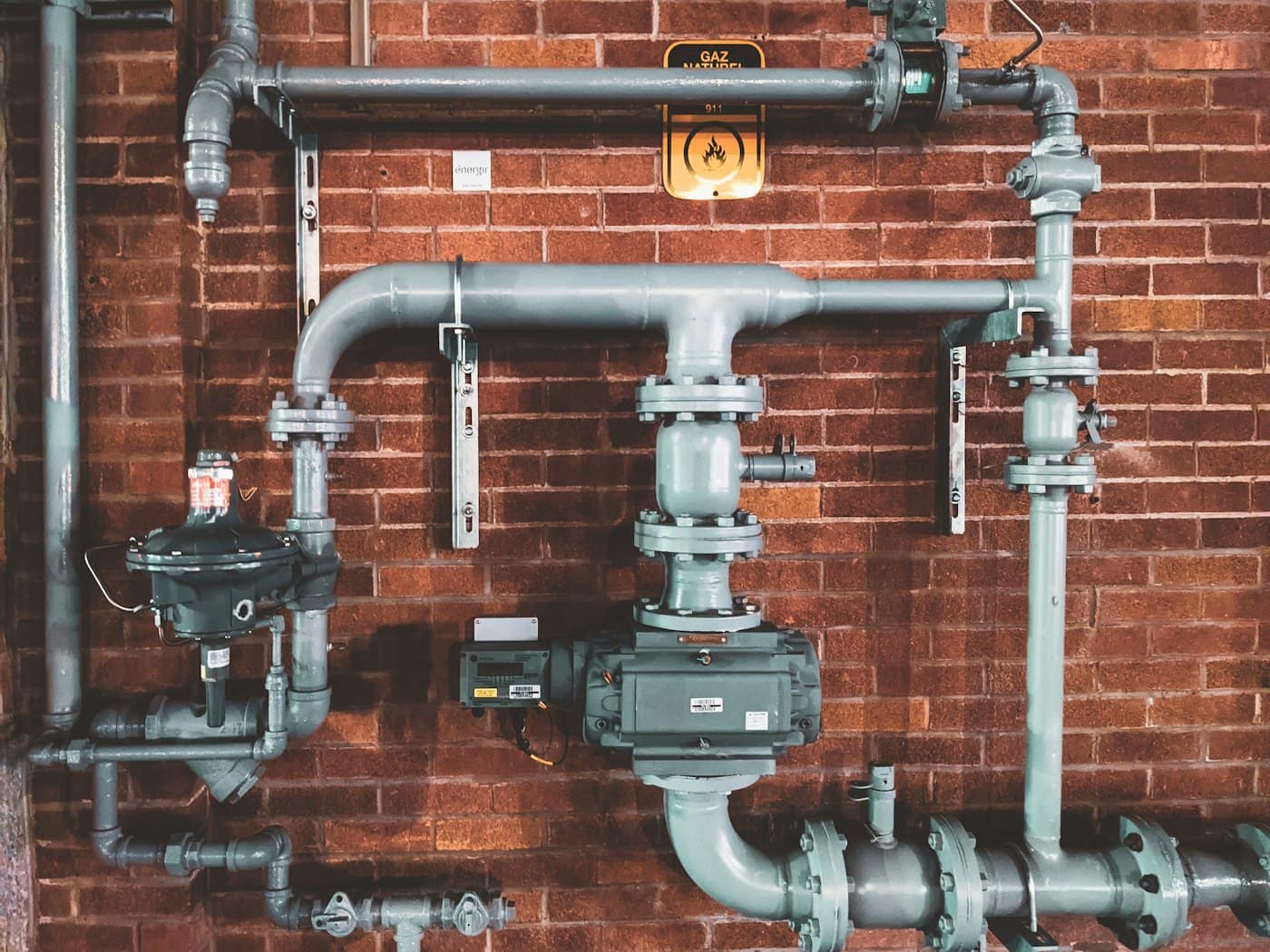
Plumbing customers usually search while something is actively wrong. Water is on the floor, the drain is backing up, or the shower has gone cold. That urgency compresses the decision to a minute or two, and it makes specificity the deciding factor. A homeowner searching for water heater repair who lands on a site with no water heater page will assume the company does not do that work and call someone who clearly does.
At the same time, plumbing is a stranger-in-my-house trade. The visitor is deciding whether to let an unknown person deal with their pipes, so licensing, real technician photos, and upfront estimate language matter as much as speed. Exaggerated claims backfire here. A company that does not truly run 24/7 should say so plainly; honest wording about same-day availability builds more trust than a fake round-the-clock promise.
Novenworks looks at a plumbing operation as a set of distinct demand streams: emergencies, drains, water heaters, sewer lines. Each stream has different urgency and different proof requirements, and the diagnosis usually shows one or two streams leaking leads while the others perform fine.
How Customers Choose
Drain, water heater, sewer, and leak customers each look for a page about their situation. A vague services list forces them to guess, and guessing means leaving.
Response expectation drives the choice more than price. Clear language about same-day and emergency availability, stated honestly, wins the click-to-call.
Licensed-and-insured messaging, branded trucks, and reviews that mention professionalism reassure someone about to let a stranger under their sink.
Where Plumbing Sites Fail
Conversion Priorities, In Order
Local Visibility Opportunities
How Reviews Work in This Trade
Plumbing reviews are written in the language of relief: he came out the same afternoon, she found the leak two other companies missed. That specificity is the asset, so the ask should happen on-site right after the fix, when the story is vivid. Volume matters less than recency in this trade, because a searcher in a crisis checks whether the company was good last month, not last year.
The Recommended System
Related Services
Google Business Profile Optimization
Look credible and complete the moment someone finds you on Google.
Lead Follow-Up Systems
Stop losing jobs because nobody replied fast enough.
Local SEO
Be the business nearby customers actually find.
Reputation and Review Systems
Your reputation online finally matches the quality of your work.
Adjacent Work
Pest Control
Demo ConceptLocal pest control website built to communicate urgency, establish trust, and make it easy for homeowners to request same-day service.
View project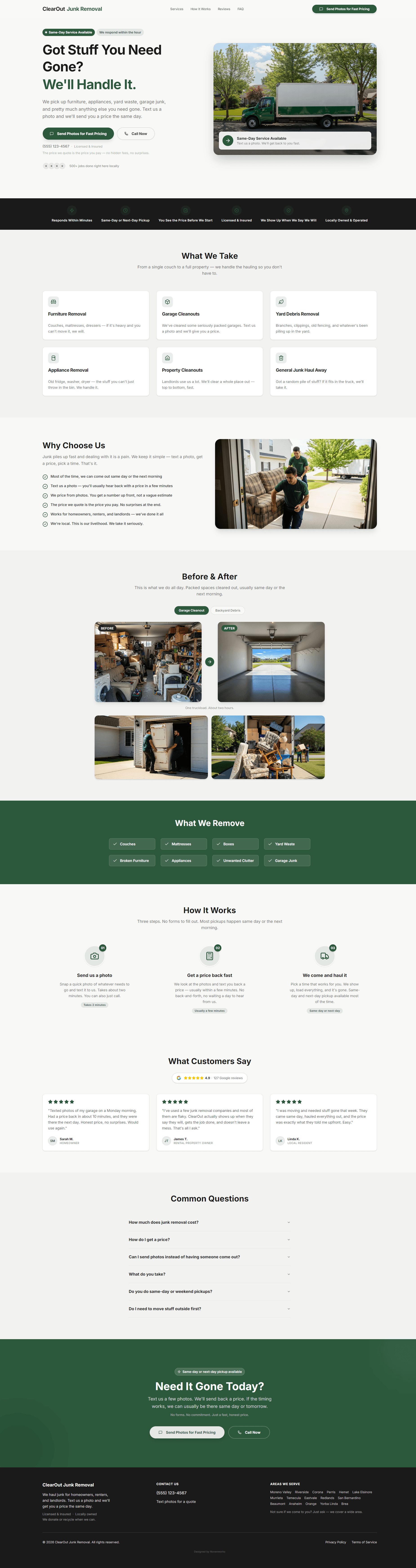
Junk Removal
Demo ConceptLocal junk removal website built around fast photo-based pricing and same-day service clarity.
View project